
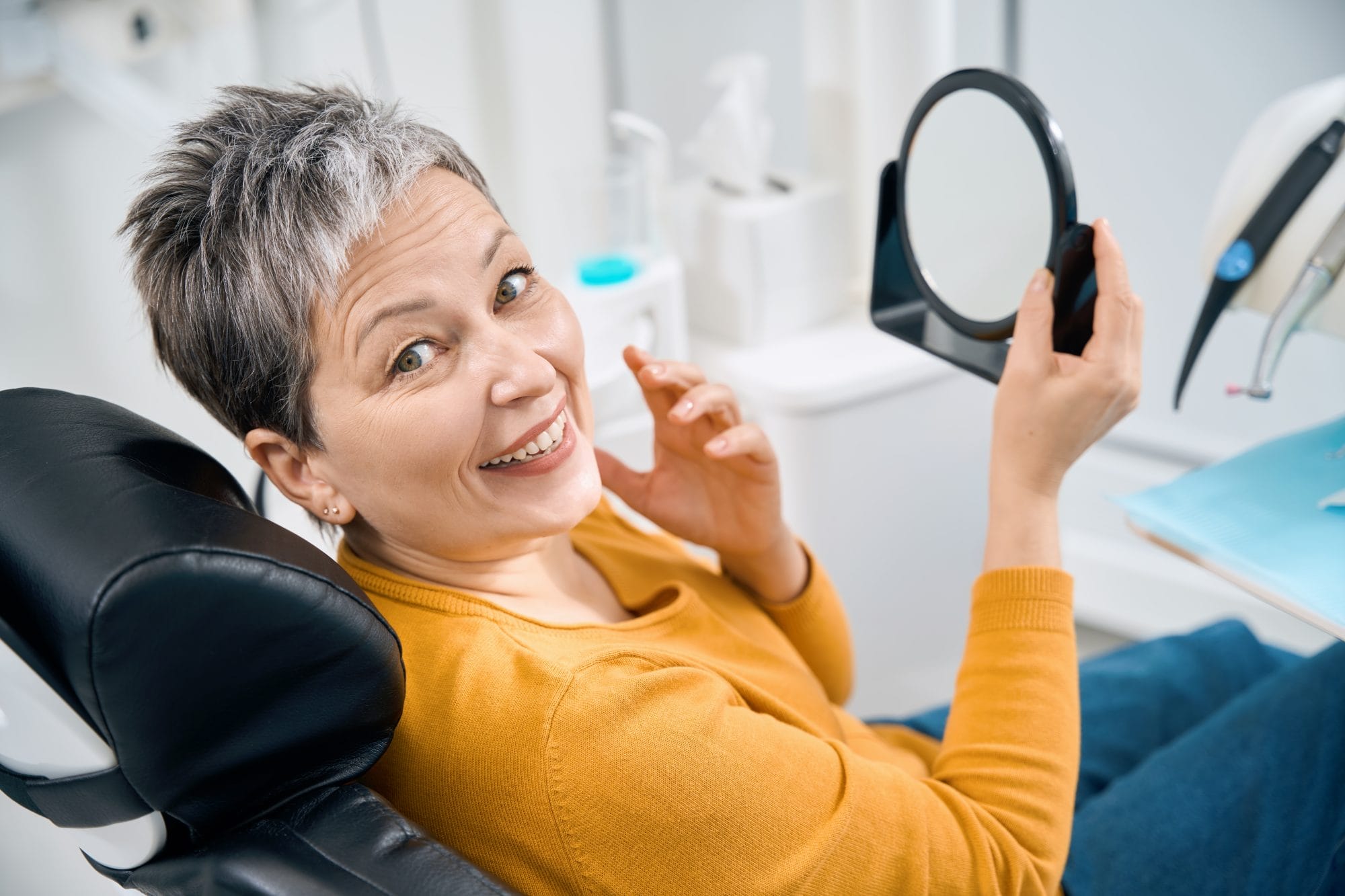
Supporting Your Parent’s Oral Health When Dental Decisions Feel Hard
When a parent starts struggling with dental decisions, it can feel emotionally heavy and surprisingly practical at the same time. You may notice missed brushing, canceled dental visits, or uncertainty about what care is truly needed. You might also be balancing work, kids, and your own health care, while trying to preserve your parent’s independence and dignity.
If you’re looking for dental care for aging parents, you’re already taking an important step. Oral health affects comfort, nutrition, confidence, and daily quality of life, and it also connects to overall health in meaningful ways. In our Hyde Park, Cincinnati dental practice, Dr. Jane R. Mays and our team focus on calm, thorough conversations so you and your parent can feel supported, understood, and guided toward choices that fit real life.
Why dental care for aging parents can get complicated
Aging changes the way many older adults experience oral care. Physical limitations can make brushing and flossing more difficult, especially with arthritis or reduced hand strength. Cognitive impairment can affect memory, communication, and follow-through, so small routines become inconsistent. Even motivation can shift if your parent feels embarrassed about dental problems or overwhelmed by dental appointments.
Health conditions also play a role. Dry mouth can increase tooth decay risk by reducing saliva production, which normally helps wash away food particles and balance harmful bacteria. Some medications, cancer treatments, and chronic health problems can contribute to oral health issues such as gum disease, root decay, and sensitive tooth enamel. These changes build up quietly, and by the time there is pain, plaque and bacteria may already be affecting gum health.
What are the most important ways to support your parent’s dental health together?
Start with a simple, team-based plan: keep routines manageable, schedule consistent dental visits, and create space for your parent to express preferences. Offer support with transportation, reminders, or tools like an electric toothbrush, and ask the dental team to explain options clearly so decisions feel steady, not rushed.
That kind of support is powerful because it protects both good oral health and confidence. It also keeps the focus on early detection and prompt treatment, which often prevents bigger problems later.
Signs your parent may need extra support with oral care
You don’t need to diagnose anything at home. It helps to notice patterns that suggest your parent could benefit from more structured oral health care and more frequent visits. Common dental issues in elderly patients often show up as changes in comfort, eating, or routine.
Look for signs such as:
- Bleeding when brushing, which can signal gum disease or periodontal disease
- Complaints of dry mouth, thirst, or needing plenty of water to swallow
- New sensitivity near the gum line, which may relate to root caries or root decay
- Bad breath that persists even with mouth rinses, which can be tied to harmful bacteria
- Loose teeth, changes in bite, or tooth loss that affects chewing
- Avoiding certain foods, which can impact a balanced diet and overall health
- Missing teeth or poorly fitting dentures that reduce comfort and quality of life
If you notice these changes, a supportive next step is scheduling dental appointments focused on evaluation and education, not pressure.
A steady foundation: preventive dentistry for older people
Preventive dentistry supports optimal oral health through consistency and early intervention. In our office, Dental Hygiene Appointments help remove plaque buildup and monitor changes in healthy gums and natural teeth over time. These visits also give your parent a regular point of contact with a familiar dental practice, which can be reassuring for elderly individuals who feel anxious about changes.
During preventive care, Dr. Mays may recommend Dental Fillings when tooth decay is caught early. Small areas of decay can progress toward larger dental issues if left untreated, especially when dry mouth and reduced saliva production are part of the picture. Prevention also includes Oral Cancer Screening, a quick evaluation that supports early detection and peace of mind.
If you’re coordinating dental care for aging parents, you can ask the office about timing that fits your parent’s energy level and your schedule. Many families find that consistent dental visits create momentum and reduce last-minute decision-making during emergencies.
When treatment decisions feel overwhelming, focus on function and comfort
It helps to frame dental choices around daily life. Can your parent chew comfortably? Are they avoiding social meals? Do they feel confident speaking? These questions connect oral health to quality of life in a way that feels practical, not clinical.
Restorative options can support stability when there is tooth loss, missing teeth, or advanced dental problems. Dr. Mays offers Full and partial Dentures, Implant dentures, and Implant Crowns & Bridges, and she can talk through what each option is designed to do. For some elderly patients, improved stability can make oral hygiene easier and meals more enjoyable. For others, a simpler plan that prioritizes comfort and gum health fits best.
Periodontal Therapy also plays an important role when periodontal disease threatens healthy teeth. Supporting gum health supports the foundation of the smile, and it can reduce the risk of ongoing inflammation in the mouth. Many patients appreciate having a clear plan for prompt treatment that respects both health conditions and personal preferences.
Daily routines that work with memory and dexterity changes
Home care often breaks down first, especially with cognitive decline or reduced coordination. You can help by simplifying steps and choosing tools that support good oral hygiene without requiring perfect technique. The American Dental Association emphasizes consistent brushing and cleaning between teeth, and many older adults do best with routines tied to existing habits, such as brushing right after breakfast and before bed.
Consider these supportive strategies:
- Use an electric toothbrush, such as Sonicare toothbrushes, for more consistent brushing with less hand effort
- Add a water flosser to help flush food particles and reduce bacteria buildup along the gum line
- Keep fluoride toothpaste available, including Prevident and Fluoridex when recommended for cavity risk
- Encourage plenty of water and steady water intake to support salivary glands and saliva production
- Choose a balanced diet that is gentle on teeth and supports overall health
- Place supplies where your parent will actually use them, not tucked away in a cabinet
You can also ask your parent what feels doable. A profile of your interests, routines, and comfort level helps the dental team tailor oral care recommendations so they feel realistic.
Talking about oral health without taking away independence
Dental decisions can carry emotional weight. Your parent may hear concern as criticism, especially if they feel self-conscious about poor oral hygiene or tooth loss. A calmer approach is to focus on shared goals and ask permission before stepping in.
Try language like: “Would it help if I scheduled the dental appointments and went with you?” or “Do you want me to write down your questions so we can ask together?” This keeps your parent in the driver’s seat while still offering real support.
In our Hyde Park office, we prioritize listening first. Dr. Mays has spent more than 20 years caring for Cincinnati families, and she is recognized as a Top Dentist in Cincinnati Magazine (2016–2025). That experience supports thoughtful conversations that help you and your parent weigh options at a comfortable pace.
How oral health connects to overall health as we age
Oral health influences the whole body through inflammation, nutrition, and daily comfort. Gum disease and periodontal disease can make it harder to maintain healthy gums and can contribute to ongoing inflammation. Many families also ask about links between oral health and heart disease, and they want guidance that fits their parent’s health care priorities.
Dental care for aging parents also supports eating well. When chewing is painful or unstable, older adults may avoid nutritious foods, which can affect energy and resilience. Addressing dental issues with early intervention supports healthy teeth, steadier meals, and a better day-to-day experience.
A supportive next step in Cincinnati
If your parent is struggling with dental decisions, you do not have to solve everything at once. A single visit focused on assessment, education, and a personalized plan can create clarity and lower stress. Preventive care, restorative options, and practical home tools all work best when they match your parent’s needs, budget, and comfort.
At Jane R. Mays, DMD in Hyde Park, Cincinnati, we’re here to support you with calm guidance and expert dental care that respects the person behind the smile. To schedule a visit today. We look forward to caring for you and your family’s whole health.
