
Missing teeth can affect much more than the appearance of your smile. Tooth loss may impact chewing, speech, comfort, confidence, and overall oral health. Many patients who wear traditional dentures experience discomfort, movement, irritation, or difficulty eating certain foods. Over time, tooth loss may also contribute to bone loss in the jawbone, which can affect facial structure and long-term oral function. Finding a stable and durable tooth replacement option is important for both comfort and oral health.
At Jane R. Mays, DMD, in Cincinnati, Ohio, patients can learn about implant-supported denture options designed to improve stability, functionality, and confidence. Implant dentures use dental implant support to help secure the denture more firmly than traditional dentures. This modern restoration may help reduce slippage, improve chewing ability, and provide a more natural feel. Through personalized consultation and dental care, patients can explore treatment options that fit their unique oral health needs and lifestyle goals.
What Are Implant-Supported Dentures?
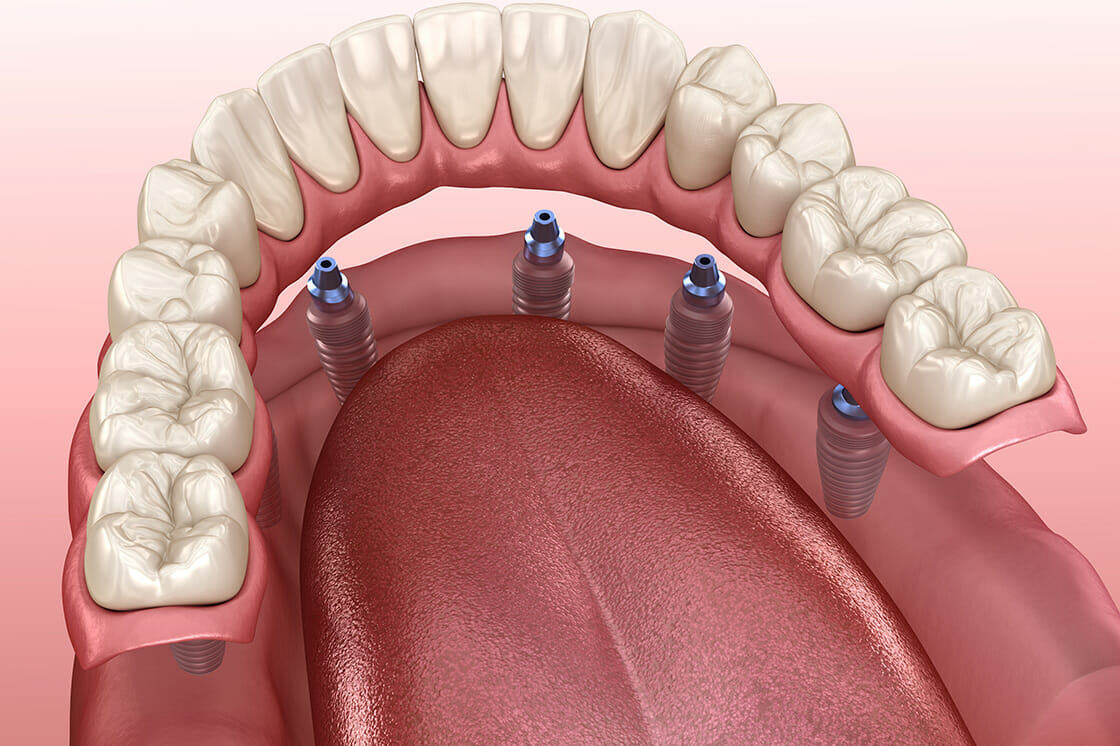
Implant-supported dentures are removable dentures that attach to dental implants placed in the jawbone. Unlike traditional dentures that rely on suction, gums, adhesives, and oral tissues for support, implant dentures connect directly to small titanium posts placed within the jawbone.
Regular dentures sit on top of your gums and use the tissue of your mouth to support themselves. Though this is an option to replace a full mouth of teeth, there are other options, like implant-supported dentures, which snap into dental implants, providing a firm fit.
A dental implant acts similarly to natural tooth roots by helping stabilize the denture and supporting jawbone health. Implant placement may help reduce some of the common drawbacks associated with traditional dentures, including slipping, irritation, and discomfort during chewing or speaking.
How Dental Implant Support Works
Dental implant treatment involves placing titanium posts into the jawbone through a surgical procedure. Over time, the jawbone naturally bonds to the implant through a process called osseointegration. This creates a stable foundation for the denture restoration.
Once healing is complete, the denture attaches securely to the implants using special attachments. Implant dentures remain removable for easy cleaning while still offering greater stability than conventional dentures.
Dental implant surgery is often completed in stages and may include:
- Initial consultation
- Imaging and treatment planning
- Implant placement
- Healing period
- Attachment placement
- Final denture restoration
The number of implants used depends on the patient’s jawbone density, oral health, and treatment goals.
Benefits Of Implant-Supported Dentures in Cincinnati, Ohio
Implant-supported dentures offer several potential benefits compared to traditional dentures. Because the denture attaches directly to the dental implant support, patients often experience improved functionality and comfort.
What are the benefits of Implant-Supported Dentures?
Implant-supported dentures use “snap” dental implants to support them, as opposed to the soft and hard tissues of your jaw and mouth. This allows for a tight and supportive fit, as well as getting rid of the need for dental adhesives often used with traditional dentures. These types of dentures are still removable though. They snap onto posts that are implanted directly into your jaw, meaning you can remove the dentures to clean them and to clean your mouth. This type of denture is often used on the lower jaw since the implants need a strong bone to support them. Other benefits include:
- Improved confidence
- Stability during eating
- Bone and gum preservation
- Improved dental hygiene
- Superior esthetics
- Nutritional benefits
Additional benefits of implant dentures may include:
- Reduced slippage
- Improved chewing ability
- Better speech support
- More durable tooth replacement
- Improved quality of life
- Reduced irritation and discomfort
- Better support for facial structure
For many patients, implant dentures may provide a more natural feel compared to traditional dentures.
Traditional Dentures Vs. Implant Dentures
Traditional dentures remain a common tooth replacement option for patients with missing teeth. However, implant dentures may offer added stability and support.
Traditional dentures typically:
- Rest directly on the gums
- Depend on suction or adhesives
- May shift during chewing
- Can contribute to bone loss over time
- Sometimes create irritation or sore spots
Implant dentures may:
- Attach securely to dental implant support
- Improve chewing functionality
- Help preserve jawbone structure
- Reduce movement during speech
- Provide a more stable foundation
Patients considering tooth replacement should discuss the benefits and drawbacks of each option during a consultation.
Types Of Implant-Supported Dentures
Several types of implant-supported denture systems are available depending on oral health needs, jawbone condition, and personal preferences.
What types of Implant Supported Dentures are there and what’s the difference?
Two types of Implant-Supported Dentures exist — bar-retained dentures and ball-retained dentures. In bar-retained dentures, three or more dental implants are placed into the jaw bone, and a metal bar runs along the gum line between each implant. The dentures attach to the bar using metal clips, and this secures the dentures to your jaw. This option typically relieves the patient of rubbing, loosening, or discomfort associated with traditional dentures.
On the other hand, ball-retained dentures use a ball and socket mechanism to lock into the dentures. The base for the dentures has several sockets that line up with balls placed on dental implants in the jaw bone. These balls and sockets fit together securely. In comparison with other types of dentures, the ball-retained dentures are the least likely to slip or move, allowing the patient to eat, speak, and go about their daily life regularly.
Both options are designed to improve denture stability while remaining removable for proper care and easy cleaning.
Who May Be A Candidate For Implant Dentures?
Many patients with missing teeth may qualify for implant dentures. A dentist will evaluate several factors before recommending treatment, including:
- Jawbone health
- Gum condition
- Existing oral health concerns
- Tooth loss history
- Overall health conditions
- Jawbone density
Some patients with bone loss may still qualify for implant placement after additional procedures designed to strengthen the jawbone.
Patients who currently wear traditional dentures but struggle with slippage, chewing difficulties, or discomfort may benefit from learning more about implant-supported denture treatment.
How Implant Dentures Support Oral Health
Tooth loss may affect more than appearance. Missing teeth can impact oral health, jawbone support, chewing function, and surrounding gums. Without stimulation from natural tooth roots or dental implant support, the jawbone may gradually shrink over time.
Dental implant support may help:
- Preserve jawbone health
- Support facial structure
- Improve chewing function
- Reduce pressure on gums
- Improve oral health
- Support long-term dental care goals
Patients should continue regular dental visits and proper care routines to help maintain healthy gums and implant durability.
Proper Care For Implant-Supported Dentures
Although implant dentures are durable, they still require proper care and daily cleaning. Good oral hygiene habits may help improve longevity and reduce complications.
Patients should:
- Remove the denture for cleaning
- Clean around implant attachments
- Brush the gums gently
- Attend regular dental visits
- Follow home dental care instructions
- Monitor for irritation or discomfort
Proper care may help support the long-term functionality of the denture restoration and surrounding oral tissues.
Understanding The Implant Placement Process
Dental implant placement is carefully planned to improve stability and long-term success. During consultation appointments, imaging may be used to evaluate jawbone structure and determine implant positioning.
The process may involve:
- Oral examination
- Discussion of treatment options
- Implant placement surgery
- Healing and osseointegration
- Denture attachment fitting
- Necessary adjustments for comfort
Advancements in dental implant technology continue to improve functionality, durability, and patient comfort during the restoration process.
Frequently Asked Questions
Implant-supported dentures are removable, but the dental implant posts placed into the jawbone are designed to remain long-term. The denture itself can be removed for easy cleaning and maintenance. Many patients appreciate the combination of stability and convenience these restorations provide compared to traditional dentures.
Many patients report that implant dentures provide a more natural feel because they remain securely attached during chewing and speaking. Traditional dentures sometimes shift or rely on adhesives and suction, while implant dentures offer a stable foundation that may improve confidence and daily comfort.
Healing after dental implant surgery varies from patient to patient. In many cases, the healing period lasts several months while osseointegration occurs. This process allows the jawbone to bond naturally with the titanium posts and helps create durable implant support for the final restoration.
Yes, dental implant support may help reduce bone loss in the jawbone. Because implants function similarly to natural tooth roots, they provide stimulation to the bone during chewing. This support may help preserve facial structure and maintain jawbone health after tooth loss.
Yes. Implant-supported dentures are removable, making daily cleaning easier for many patients. Patients can remove the denture to clean the restoration, gums, and implant attachments thoroughly. Proper care and regular dental visits remain important for protecting oral health and maintaining implant durability.
Schedule A Consultation For Implant Dentures Today
If you are struggling with missing teeth, discomfort from traditional dentures, or difficulty chewing comfortably, implant-supported denture treatment may be a good tooth replacement option to explore. Implant dentures may help improve oral health, chewing function, confidence, and long-term comfort while supporting jawbone stability.
Patients in Cincinnati, Ohio and the surrounding areas can learn more about implant dentures, dental implant treatment, and personalized restoration options by scheduling a consultation today. Call (513) 321-1102 to schedule an appointment and discover whether implant-supported dentures may be the right choice for your smile and oral health needs.
